The temptation with a short city break is to collect places as quickly as possible. Breakfast here. A landmark there. A photograph, a car ride, another photograph. By Sunday evening the visitor has a full camera roll and only a faint sense of how the city actually moves.
Afrofeast travel can offer something more useful: fewer stops, better context and more attention to the people who shape a neighbourhood. This sample weekend in Accra is not a current itinerary or a claim to have found the city's “hidden” side. It is a demonstration of how the finished platform could turn local reporting into a generous, bookable journey.
Begin with a neighbourhood, not a bucket list
A morning might start with a contributor explaining the road they walk, the food they choose before work and the shopfront that has changed hands three times. The ordinary details are not filler. They show how heat, traffic, work and family shape the pace of a place.
Instead of sending readers racing across the city, the article could group recommendations by area and explain the practical trade-offs: when to walk, when to arrange transport, how long a visit genuinely takes and why spending with an independent maker matters. A live version would clearly separate verified reporting from sponsored inclusions.
The best guide does not make the traveller feel clever. It helps the visitor become considerate.
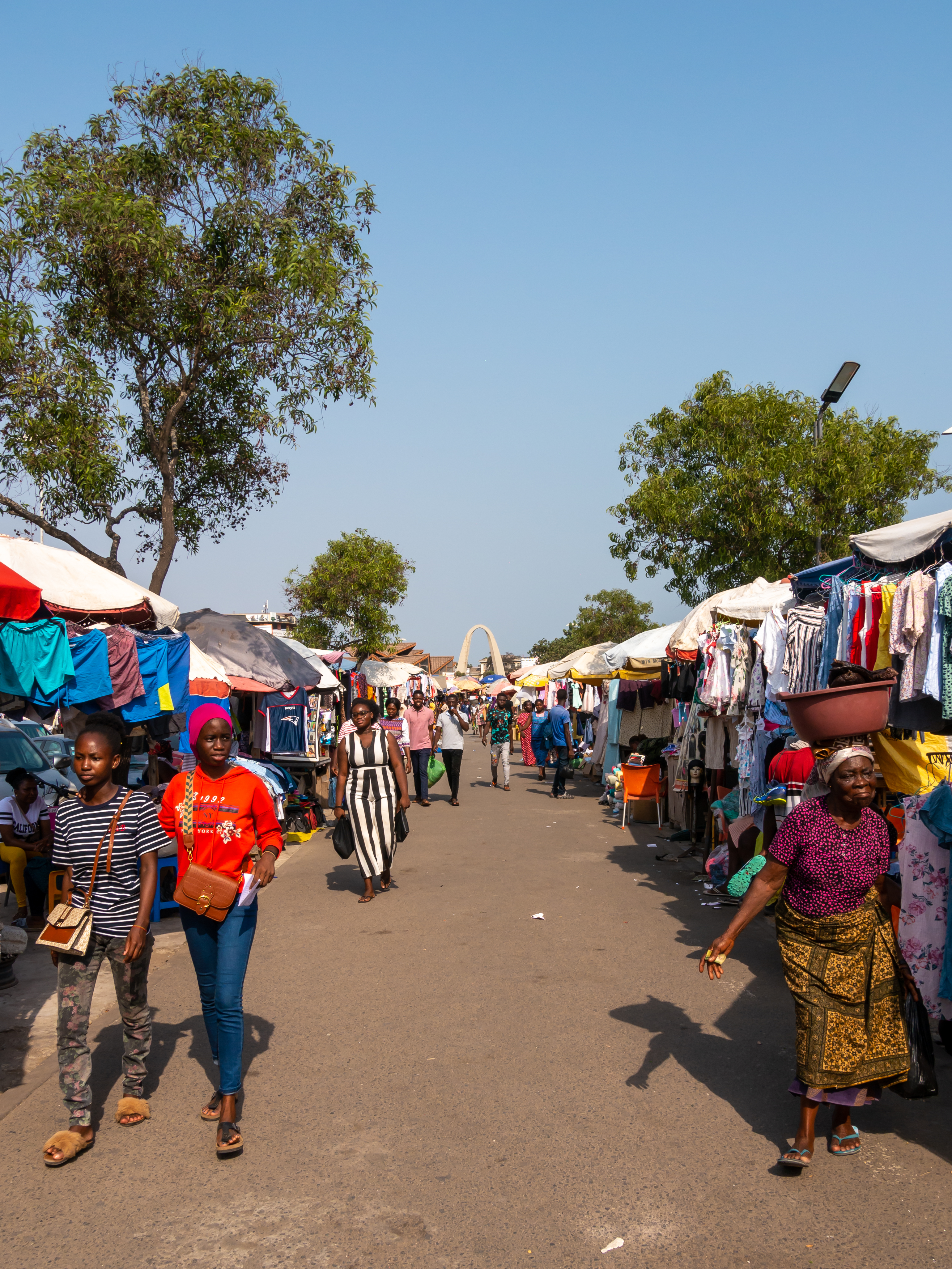
Markets deserve that kind of care. They are visually irresistible, but they are also places of work. A responsible story would prepare the reader to ask before photographing people, avoid blocking a stall and understand that bargaining is a relationship rather than a performance.
Let food connect the day
On Afrofeast, travel and food should not sit in separate boxes. A market profile can link to an ingredient explainer. A meal can open a recipe. A conversation with a cook can lead into a short film or an Ancestral Kitchen recording, with permission and attribution carried through every format.
That connected structure is where one website becomes more powerful than several. A reader arriving for a travel story can discover food without being sent to another brand or login. Search authority gathers in one place, while the editorial experience feels deeper rather than busier.
Local contributors should verify every venue, price, access note and safety detail near publication. This page intentionally uses no live recommendations; it demonstrates the editorial and visual treatment.
End with room to return
A strong weekend story should not promise that a city can be completed. It can offer a way to enter respectfully, a few memorable encounters and enough understanding to plan the next visit better. The final paragraph might lead to a neighbourhood collection, a saved map or a contributor's next story.
That is the Afrofeast opportunity: travel that is beautiful enough to inspire, grounded enough to trust and connected naturally to the food and culture already bringing the audience through the door.