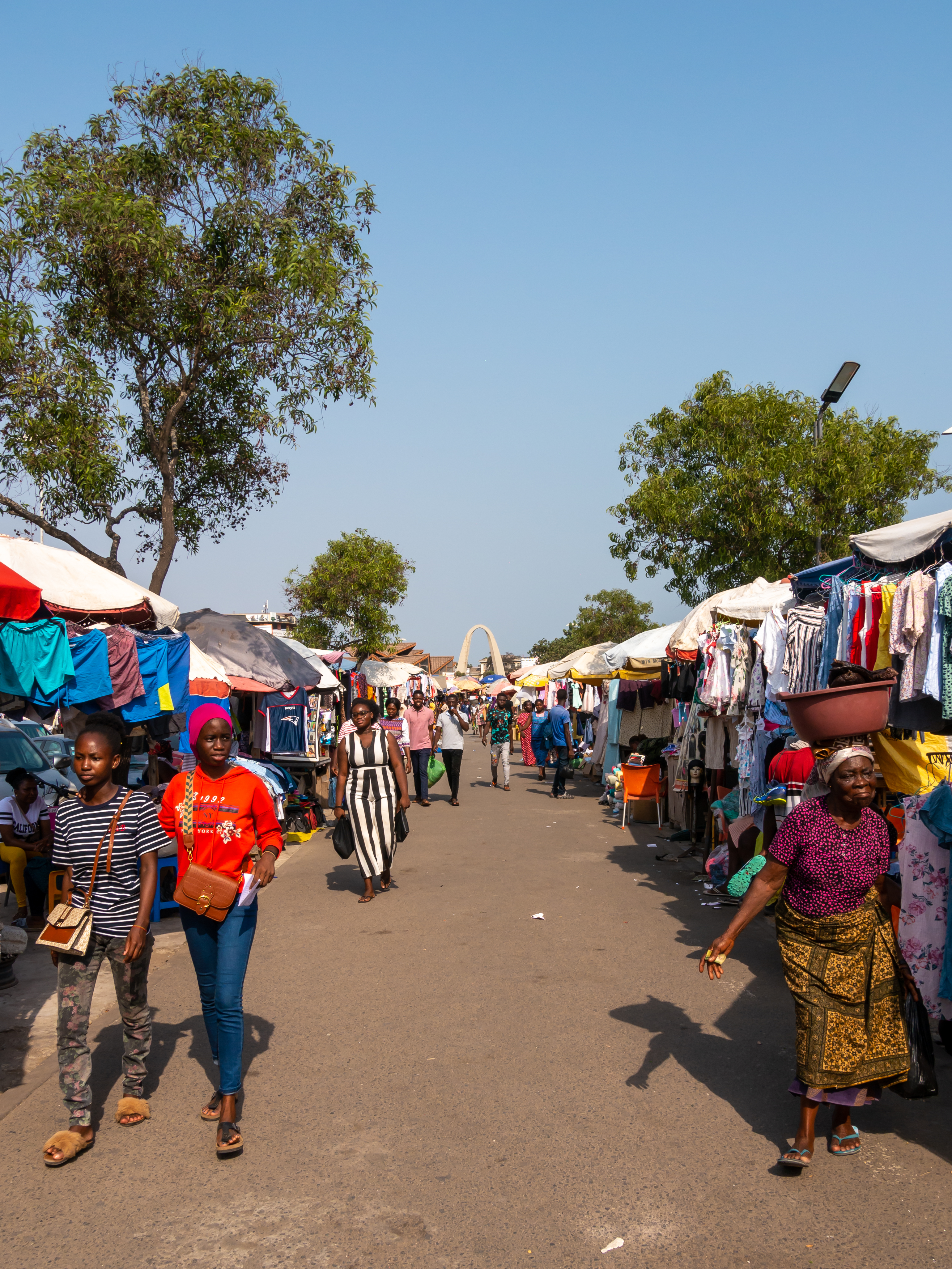
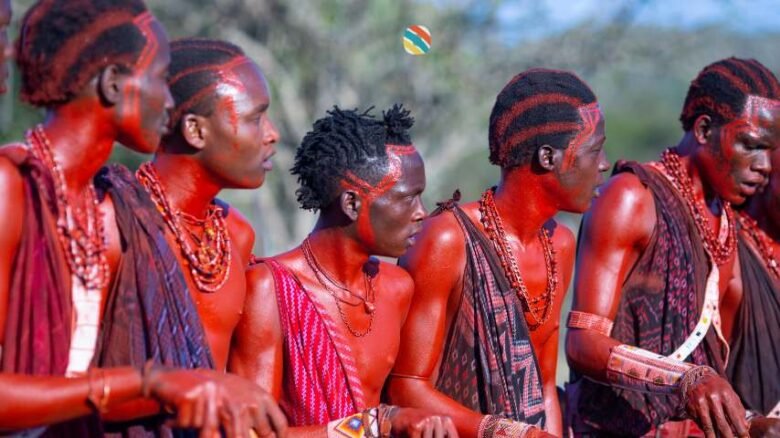
When digital platforms describe African culture, they often reach for the same handful of words: ancient, timeless, colourful. The images may be beautiful, yet the language quietly removes the people in the frame from the present day.
Afrofeast can choose a more interesting position. Tradition matters precisely because people keep working with it. A song is rehearsed again. A cloth is selected for a new occasion. A family changes the language spoken around the table. A designer looks at inherited form and asks what it can say now.
Context turns spectacle into understanding
A parade, ceremony or garment may catch the eye, but a responsible article asks what the reader is actually seeing. Who is participating? Is the moment sacred, public, commercial, political or all of these at once? What is appropriate to photograph, reproduce or sell?
The answers cannot be guessed from an image. They come from people with a relationship to the practice, and those voices should be visible in the design—not added as decoration at the bottom. Captions, credits, contributor profiles and links to further reading are product features as much as editorial courtesies.
Respect does not make culture less vivid. It gives the colour somewhere honest to live.
That principle also protects Afrofeast from treating a continent as one aesthetic. Different communities may use similar materials for very different reasons. A motif can change meaning across a border or a generation. Even within one family, people may disagree about what should be preserved and what should be allowed to evolve.

Show the maker and the method
A culture section becomes valuable when it follows the work. Instead of a generic gallery of “African patterns”, Afrofeast could profile one maker, name the material, explain the process and show how the object moves through daily life. An article might include a short film, a glossary, an audio pronunciation and a clear route to purchase from the source.
This is a natural fit for a digitally run business. One well-researched interview can become a long-form article, an approved short video, a newsletter excerpt and social posts. AI can help transcribe, organise and resize the material, while editorial judgment stays focused on accuracy, permission and relationship.
Can the person or community represented recognise themselves in the final story? Are names, meanings, permissions and commercial relationships clear? If not, the page is not ready.
Build continuity, not nostalgia
Culture coverage should not be afraid of tension. Diaspora identity can involve pride and distance, invention and doubt. Young people may recover a practice through video while elders worry that the form is losing depth. Creators may need global visibility while resisting the demand to make every work explain an entire continent.
Those are not problems to smooth away. They are the story. By treating culture as a conversation happening now, Afrofeast can speak to the diaspora and the curious without turning either audience into a tourist.